Work in Marine Biology
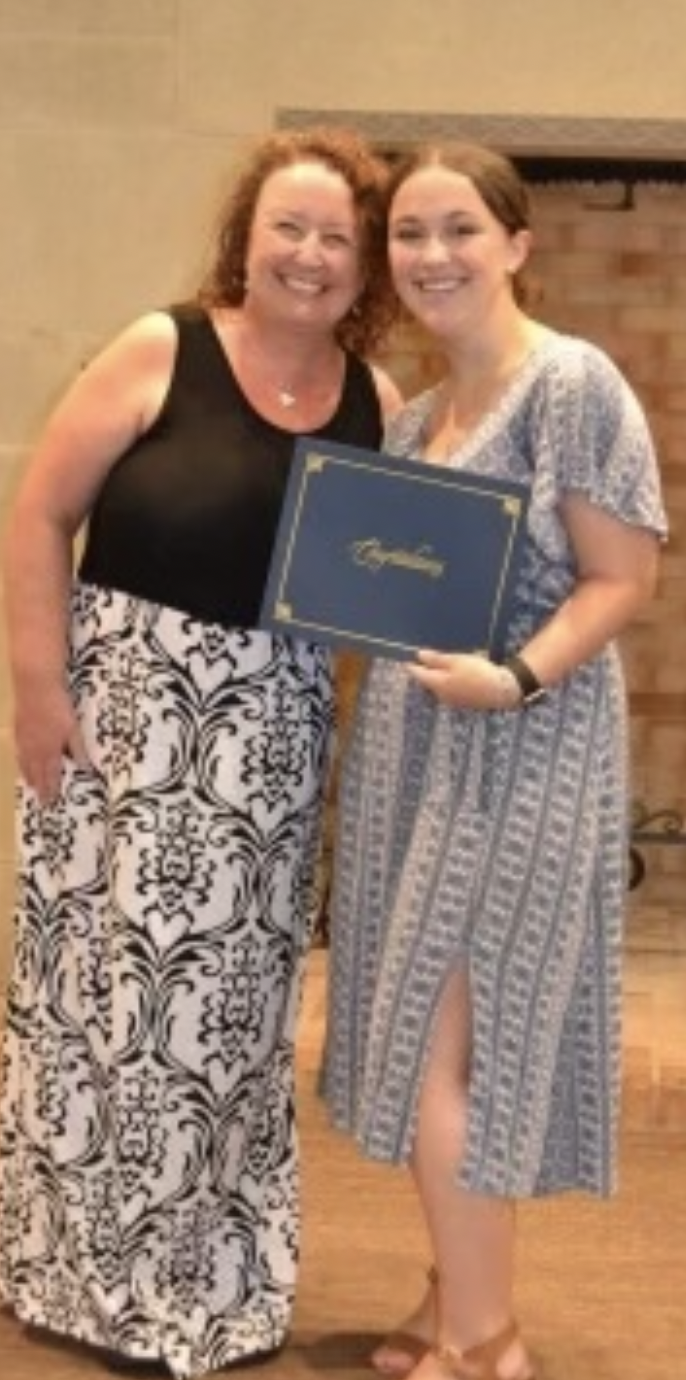
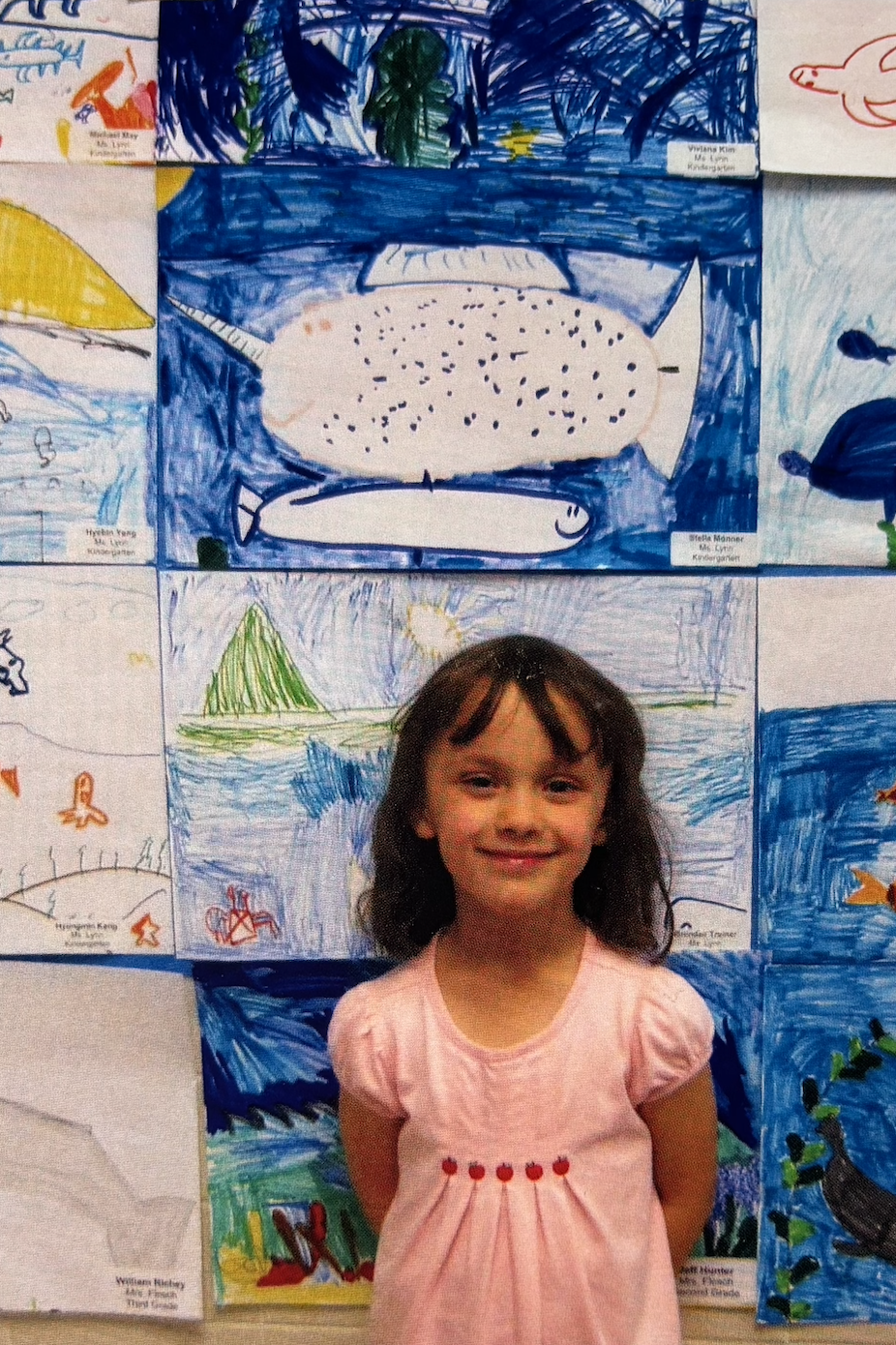
My love of marine biology started in Kindergarten when I fell in love with the Narwhal. Since then, I dove headfirst into the world of marine science, exploring all aspects from the zoology of mammals and invertebrates to the science of the various biomes and processes. As a B.A. graduate (magna cum laude) in Marine Biology from Rollins College, where I explored diverse marine systems and participated in fieldwork, labs, and collaborative projects, I developed strong competencies in ecological observation, data collection, and experimental design. Additionally, I completed a senior research project that examined the social and behavioral role of menopause and post-reproductive life spans in toothed whales, incorporating research and synthesis, culminating in a formal presentation and thesis. For my work, I received the “Achievement in Marine Biology Award",” given to students for accomplishments within the major.
Lab & Field Work
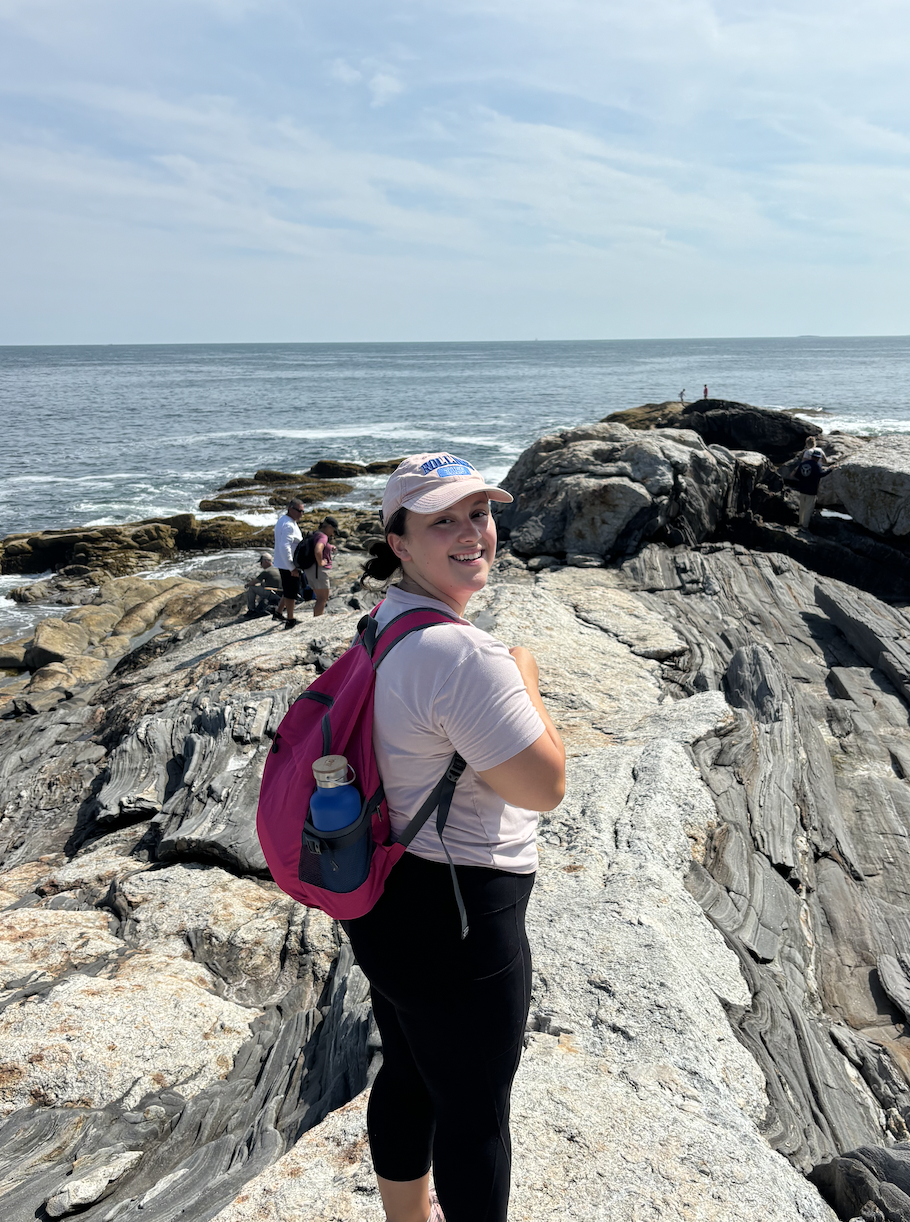
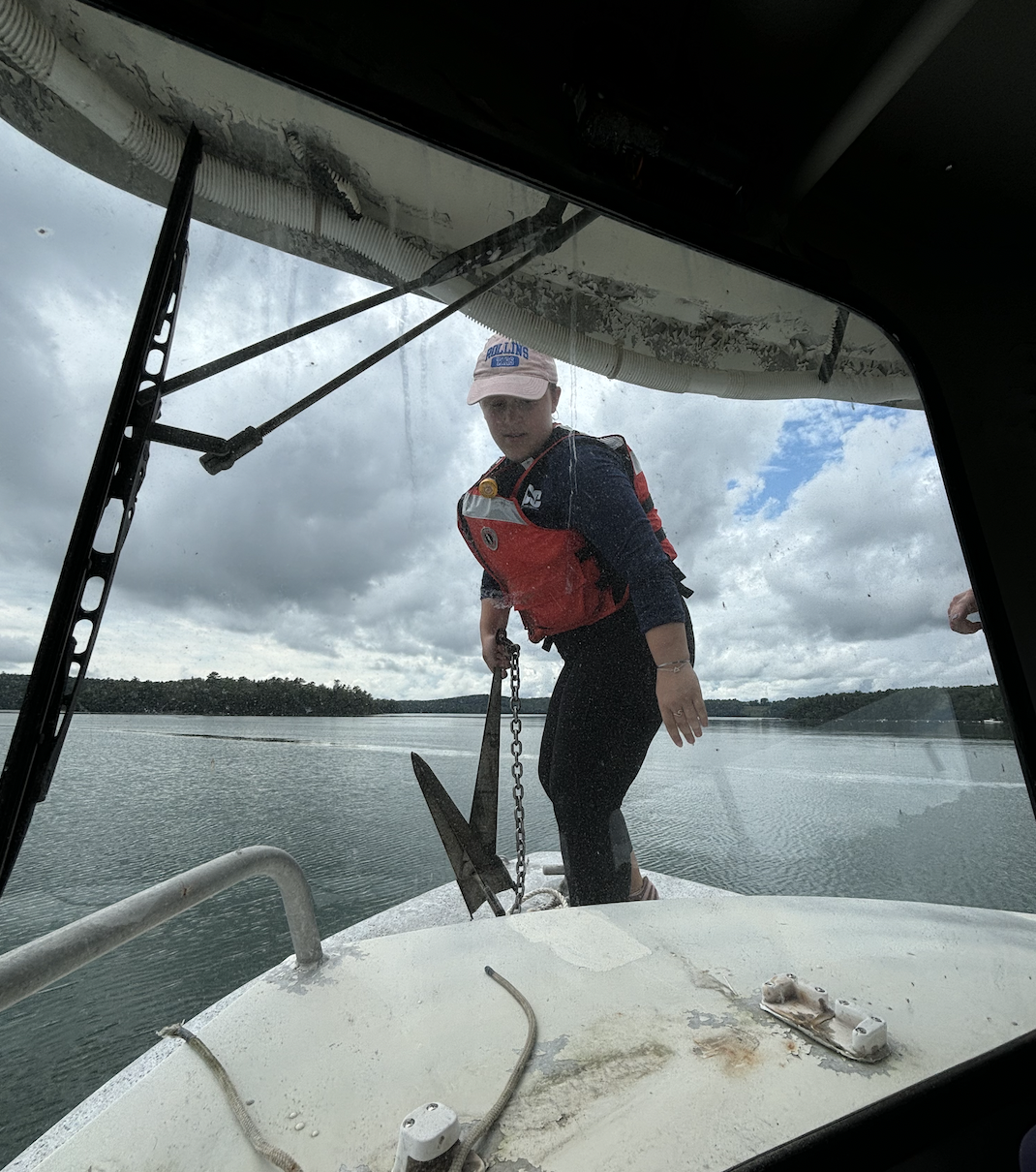
Population Survey of the Damariscotta River, ME (Summer 2024)
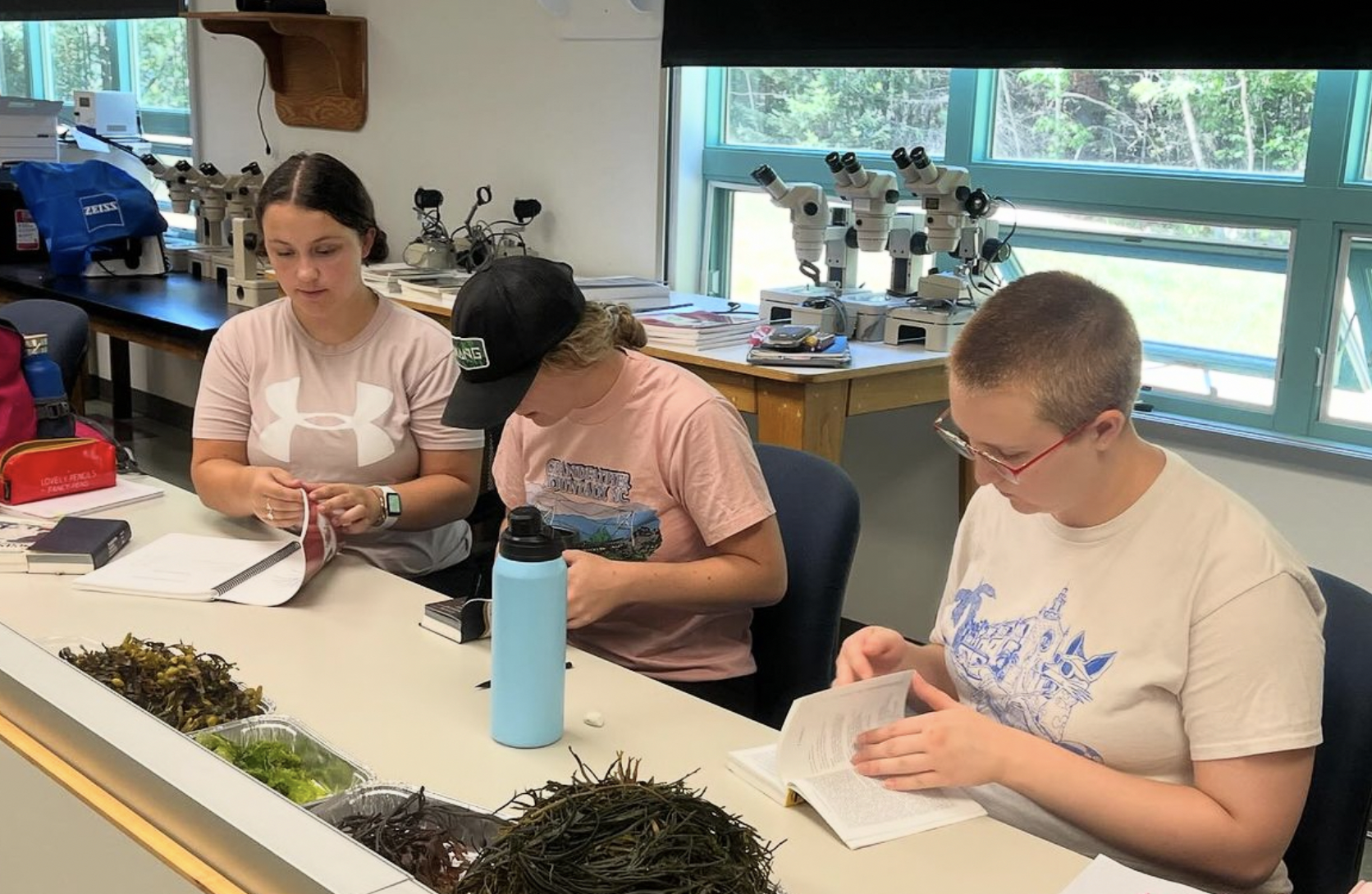
Transcet surveys were conducted across three locations: Pemaquid Point, Chamberlain Point, and the DMC Mudflats. Species were collected and brought back to the lab for identification. This fieldwork resulted in a comprehensive paper evaluating the Established Ecosystems on the Coast of Maine.
Population Survey of Genius Preserve, FL (Fall 2024)
A point-center quarter survey was conducted over four parallel transect lines at the Genius Preserve in Winter Park, Florida. Species were identified and recorded, with the most common species being Quercus virginiana. This indicated that the genius preserve was an oak hammock. Research culminated in a paper.
Anthropogenic Sound and Mithraculus sculptus (Spring 2024)
Crabs were isolated into small chambers and exposed to music at varying tempos to understand how anthropogenic sound affects stress. Stress was measured by the amount of dissolved oxygen present in the chamber. Results indicated that there is a correlation between sound and organisms stress. Research resulted in a formal presentation.
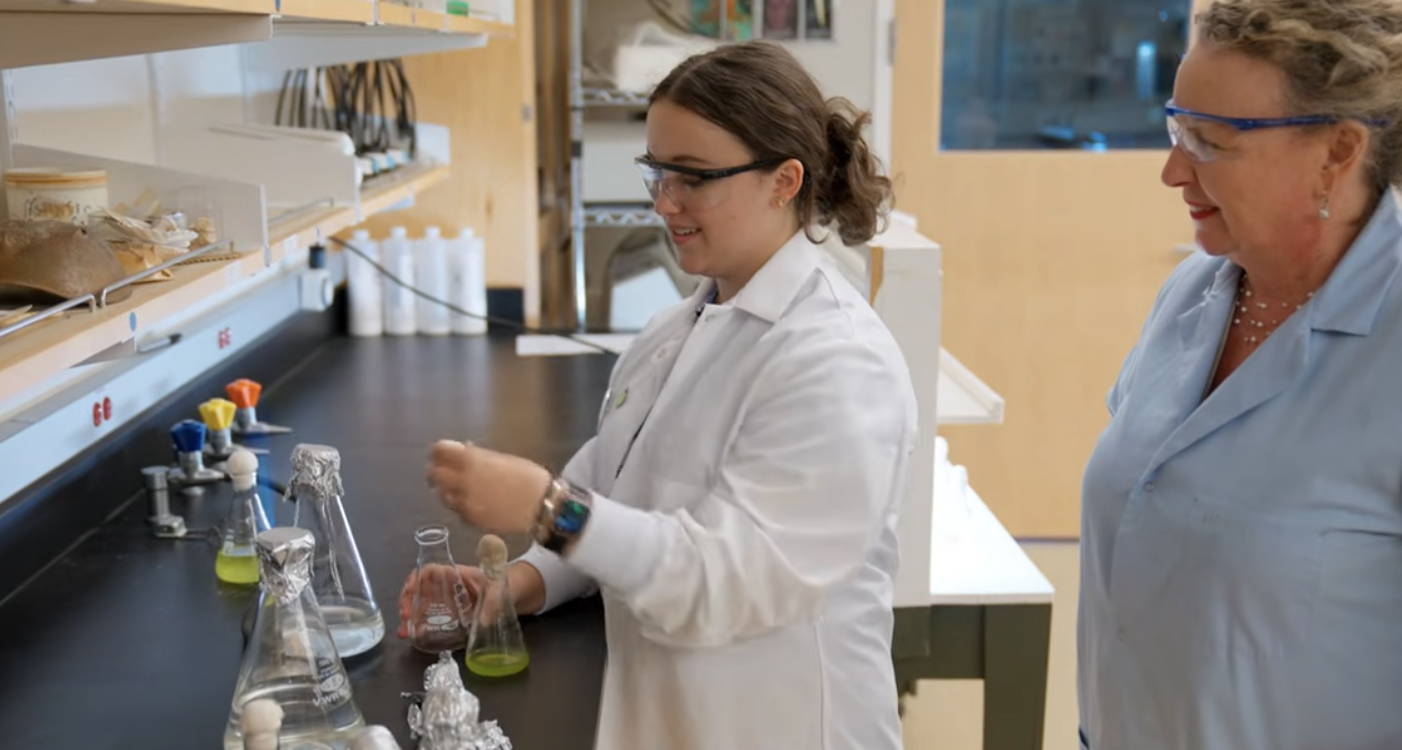
Identification of the bacteria Klebsiella aerogenes (Fall 2023)
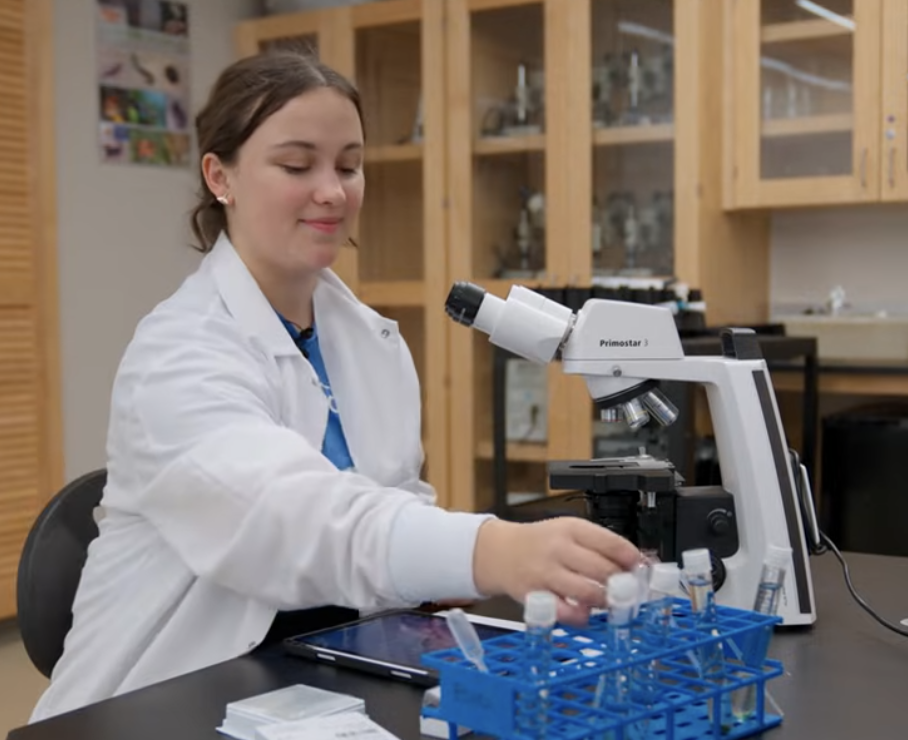
After being provided with an unknown bacterial culture, a series of tests were performed to identify the unknown organism. Microscopic examination, gram stain, catalase, and plating indicated the unknown bacteria as K. aerogenes.
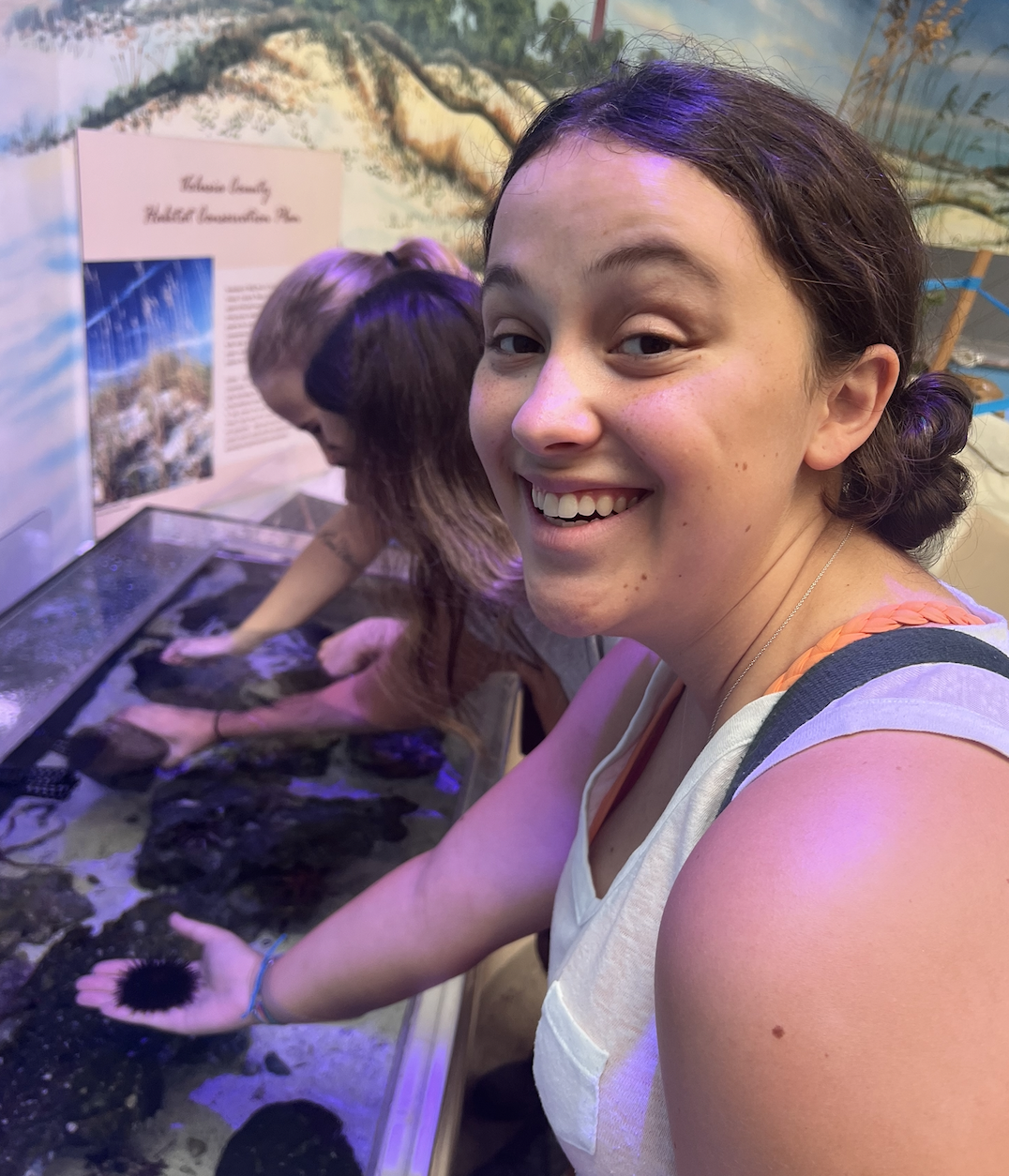
Volunteer Glenn Echo Park Aquarium (Summer 2023)
worked with visitors and helped run the touch tank. Fed animals and removed waste from enclosures.
Research
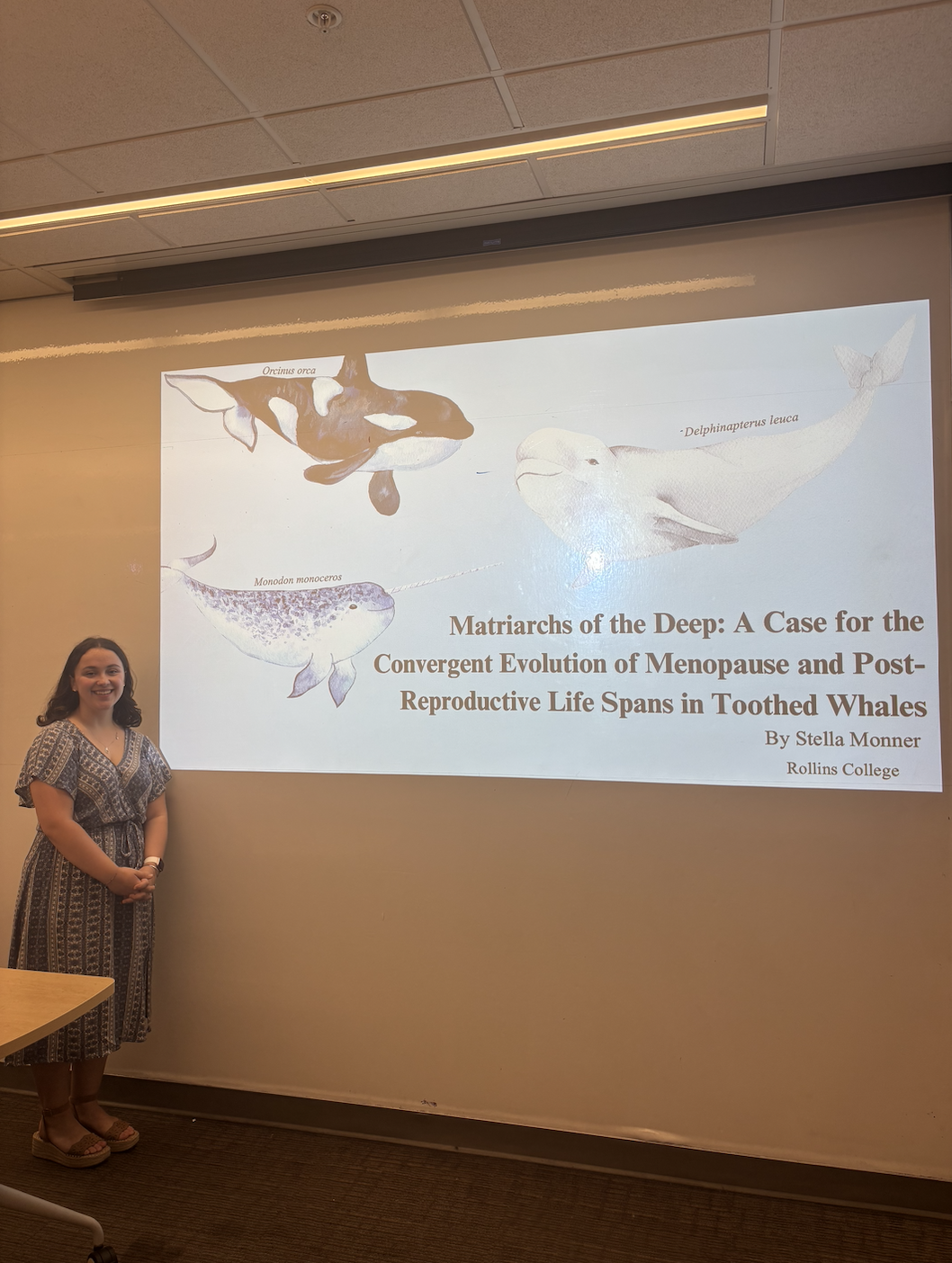
Menopause and Post-Reproductive Lifespan in Marine Mammals (Spring 2025)
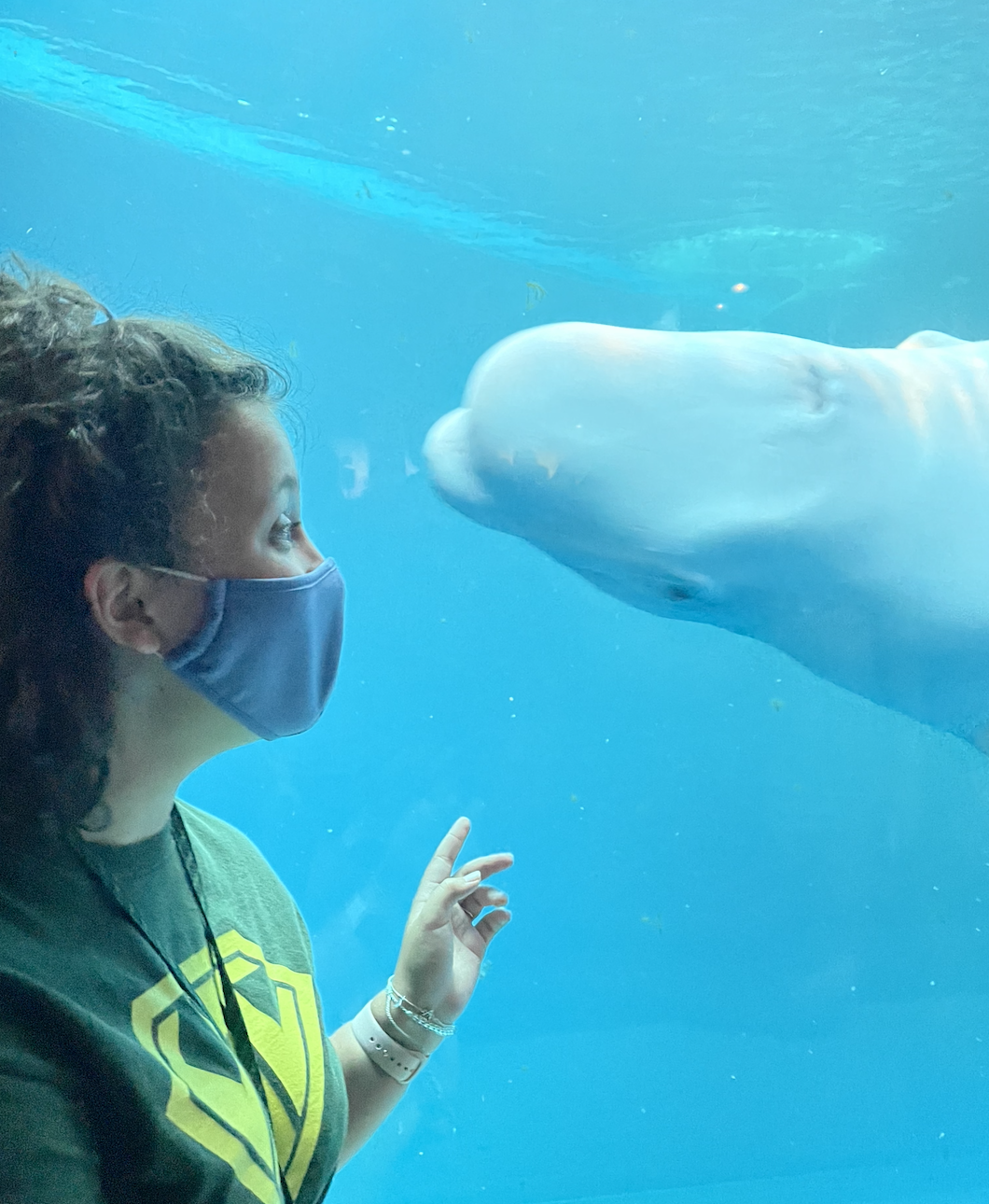
Research conducted across the span of several months analyzing the role of menopause and PRLs in the social structure and behavior of toothed whales, specifically M. monoceros, O. orca, and D. leucas. Research resulted in a formal paper and presentation in front of peers and faculty.
Species study of Monodon monoceros (Spring 2024)
A semester-long research project to collect and analyze literature, resulting in a formal paper and presentation. This was completed as part of the Marine Mammalogy course at Rollins College.
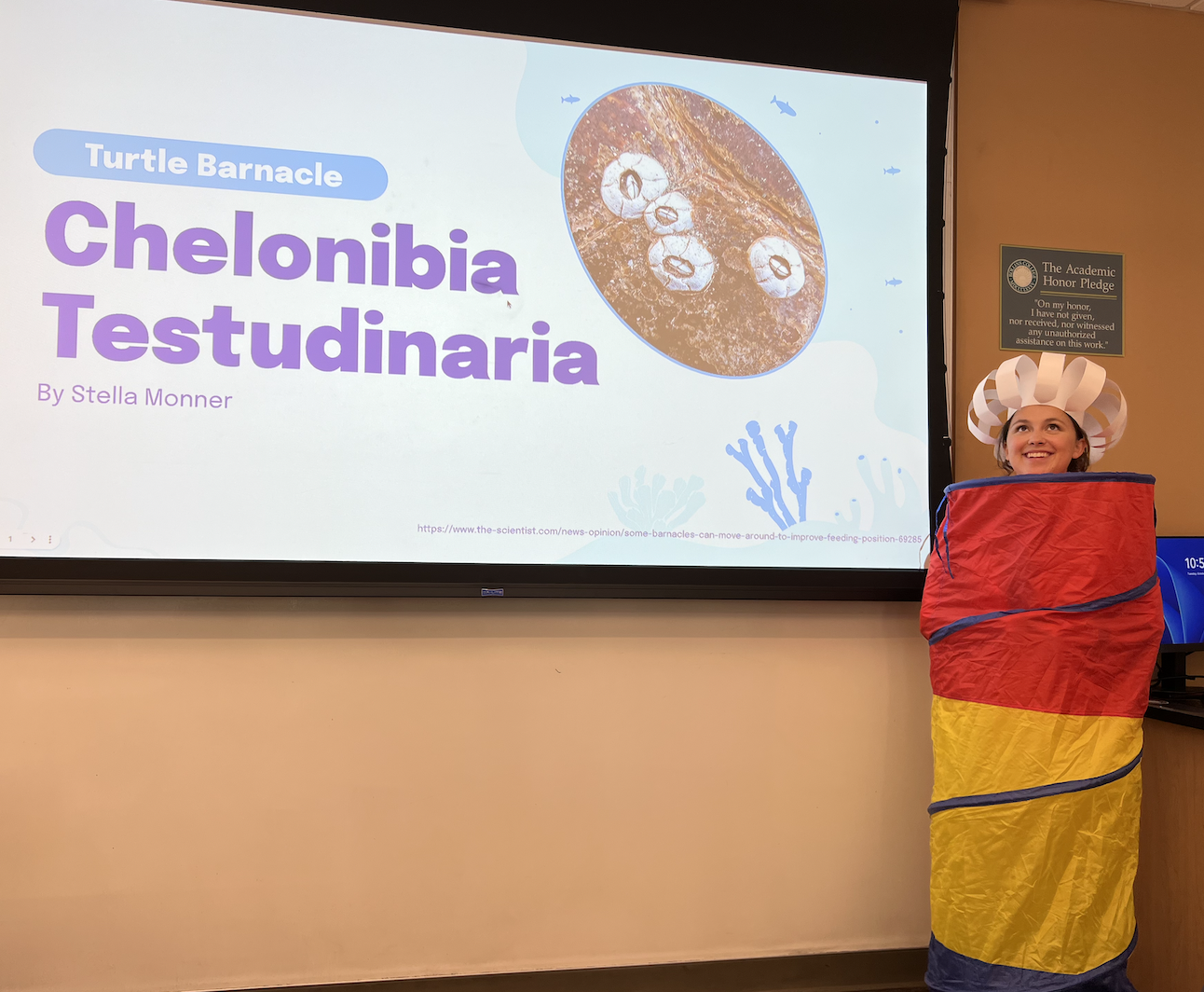
Species study of Chelonibia testudinaria (Fall 2023)
A semester-long research project to collect and analyze literature, resulting in a formal paper and presentation. This was completed as part of the Invertebrate Zoology course at Rollins College.
Literature Review of The Effects of Climate Change and Rising Ocean Temperatures on Narwhals (Spring 2023)
A semester-long research project to collect and analyze literature, resulting in a formal paper and presentation. This was completed as part of the Intro to Marine Biology course at Rollins College.
Relevant Course Work
Rollins College
Introduction To Marine Science
Invertebrate Zoology
Marine Mammology
Marine Biology
Ecology
Genetics
Biology 1 & 2
Northern Virginia Community College
Chemistry 1 & 2
Organic Chemistry
Applicable skills
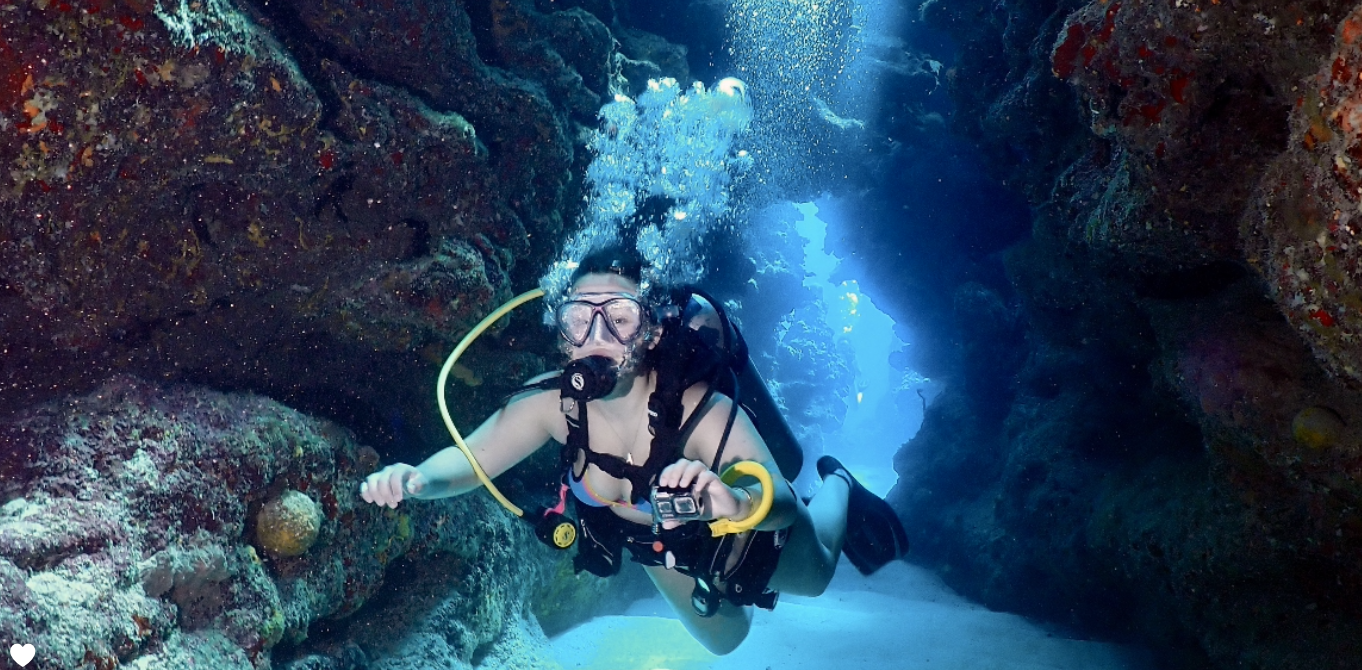
PADI Advanced Open Water Certification
Marine Biology:
Basic animal husbandry, salinity maintenance, identification, dissection, anatomical identification, experimental design, field notebook, field guide use, field collection, tank maintenance, data analysis, and basic GIS programs
Ecology
Point-center quarter survey, transect technique, species identification, data analysis
Microbiology:
Gram stain procedure, colony morphology and count technique, aseptic transfer and streak Plate, biochemical tests: coagulase, catalase, and oxidase
Other:
Basic chemistry and biology procedures, PCR, and electrophoresis, Labquest devices, Microsoft suites